Happiness‚ a crucial life skill‚ isn’t simply pleasure; it demands cultivation through understanding emotions and consistent practice—a journey towards a fulfilling existence.
Defining Happiness: Beyond Pleasure
Many mistakenly equate happiness with fleeting pleasures‚ but true happiness extends far beyond momentary gratification. It’s a profound state of well-being‚ cultivated through dedicated effort‚ much like acquiring any other valuable skill – like music or physical exercise.
Understanding this distinction‚ as highlighted by Matthieu Ricard‚ is fundamental. Happiness isn’t a passive experience; it requires actively developing the mind to flourish. It’s about recognizing freedom from emotional whims‚ avoiding being a “slave” to feelings‚ and seeking lasting contentment‚ not just transient joy.
Why Happiness is a Skill‚ Not a Destination
The notion of happiness as a destination implies a final arrival point‚ a misconception that hinders genuine well-being. Instead‚ it’s a skill—a capacity built through consistent practice‚ observation‚ and personal trials‚ as suggested by insights from philosophy and psychology.
This skill‚ once honed‚ unlocks a more fulfilling life. It’s not about passively finding happiness‚ but actively building it. Like any skill‚ it requires dedication and effort‚ transforming happiness from a hopeful outcome into a tangible‚ achievable reality.

The Neuroscience of Happiness
Exploring brain regions and neurotransmitters—dopamine‚ serotonin‚ endorphins—reveals happiness’s biological basis‚ highlighting neuroplasticity’s power to rewire the brain for joy.
Brain Regions Involved in Happiness
Several brain regions orchestrate the experience of happiness. The prefrontal cortex plays a vital role in regulating emotions and experiencing joy‚ while the amygdala‚ often associated with fear‚ also contributes to processing positive emotions. The hippocampus is crucial for forming memories linked to pleasurable experiences‚ strengthening feelings of contentment.
Furthermore‚ the ventral striatum is heavily involved in reward processing‚ releasing dopamine in response to pleasurable stimuli. Understanding these interconnected regions illuminates how happiness isn’t localized but emerges from complex neural interactions‚ offering pathways for cultivating well-being through targeted practices.
Neurotransmitters and Their Role (Dopamine‚ Serotonin‚ Endorphins)
Neurotransmitters are key messengers in the brain‚ profoundly impacting happiness. Dopamine fuels reward-motivated behavior‚ creating feelings of pleasure and motivation. Serotonin regulates mood‚ contributing to feelings of well-being and contentment. Endorphins‚ released during exercise or pleasurable activities‚ act as natural pain relievers and mood boosters.
These chemicals don’t operate in isolation; their interplay is crucial. Cultivating happiness involves naturally boosting these neurotransmitters through practices like mindfulness‚ gratitude‚ and physical activity‚ fostering a neurochemical environment conducive to joy and resilience.
Neuroplasticity: Rewiring Your Brain for Joy
Neuroplasticity reveals the brain’s remarkable ability to reorganize itself by forming new neural connections throughout life. This means happiness isn’t fixed; we can actively “rewire” our brains for greater joy. Consistent positive practices – like meditation‚ gratitude exercises‚ and acts of kindness – strengthen neural pathways associated with positive emotions.
Conversely‚ dwelling on negativity reinforces negative pathways. By intentionally shifting our focus and habits‚ we can cultivate a brain more predisposed to experience and sustain happiness‚ demonstrating it truly is a skill.

Understanding Emotions
Emotions originate from evolutionary roots‚ yet distinguishing between raw emotions and subjective feelings is key to managing negativity and fostering inner freedom.
The Origins of Emotions: Evolutionary Perspective
Emotions aren’t random occurrences; they’re deeply rooted in our evolutionary history‚ serving crucial survival functions for our ancestors. Fear prompted escape from danger‚ anger fueled protective responses‚ and joy reinforced beneficial behaviors.
These primal emotional responses were essential for navigating a challenging world‚ increasing chances of survival and reproduction. While modern life differs drastically‚ these ingrained emotional patterns persist‚ influencing our thoughts‚ behaviors‚ and overall well-being.
Understanding this evolutionary context provides valuable insight into why we experience emotions as we do‚ paving the way for more effective emotional regulation and a greater sense of self-awareness.
Differentiating Between Emotions and Feelings
While often used interchangeably‚ emotions and feelings are distinct. Emotions are immediate‚ physiological responses – a rapid heartbeat from fear‚ for example – largely universal across cultures. They are instinctive and short-lived.
Feelings‚ however‚ are the interpretation of those emotions‚ shaped by personal experiences‚ beliefs‚ and thoughts. They are subjective and can linger‚ evolving over time.
Recognizing this difference is key: emotions are the raw data‚ feelings are the story we tell ourselves about that data. Mastering this distinction empowers us to manage our emotional landscape more effectively.
Managing Negative Emotions: Techniques for Countering Them
Negative emotions aren’t enemies to be eradicated‚ but signals to be understood. Instead of suppression‚ practice mindful awareness – observe the emotion without judgment. Techniques like cognitive reframing challenge negative thought patterns‚ questioning their validity.
Cultivating self-compassion is vital; treat yourself with the same kindness you’d offer a friend.
Furthermore‚ recognizing that acting on whim‚ driven by emotion‚ isn’t freedom‚ but slavery to it‚ allows for conscious choice and a more balanced response.
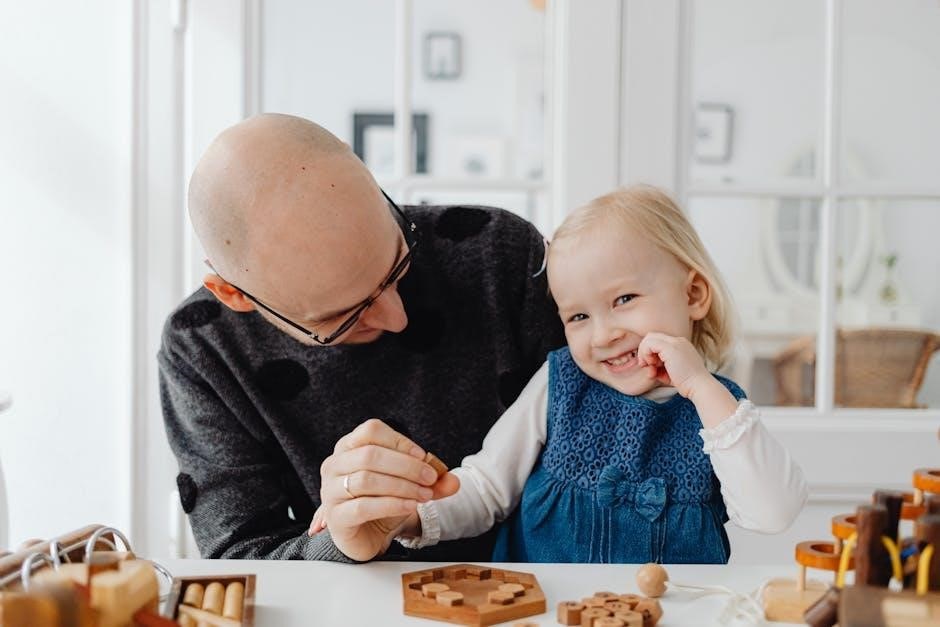
Positive Psychology and Happiness
Positive Psychology focuses on building strengths‚ fostering joy‚ gratitude‚ and contentment‚ ultimately aiming for optimal functioning and increased life satisfaction—a path to flourishing.
Building on Strengths: The Core of Positive Psychology
Positive Psychology diverges from solely addressing weaknesses‚ instead championing the identification and cultivation of individual strengths—both in personal and professional spheres. This approach suggests that focusing on what we naturally excel at fosters a sense of competence and engagement‚ directly contributing to heightened well-being. By actively utilizing our signature strengths‚ we experience increased joy‚ motivation‚ and a deeper sense of purpose. It’s about recognizing inherent talents and intentionally integrating them into daily life‚ creating a foundation for lasting happiness and fulfillment. This isn’t about ignoring challenges‚ but approaching them from a position of strength.
Cultivating Positive Emotions: Joy‚ Gratitude‚ Contentment
Actively nurturing positive emotional states—joy‚ gratitude‚ and contentment—is fundamental to developing happiness as a skill‚ not a passive experience. These aren’t fleeting pleasures‚ but cultivated perspectives. Practicing gratitude‚ through exercises and mindful reflection‚ shifts focus to the positive aspects of life. Contentment arises from appreciating the present moment‚ while joy stems from engaging fully with experiences. Intentionally seeking and savoring these emotions rewires the brain‚ fostering resilience and a more optimistic outlook‚ ultimately building a sustainable foundation for well-being.
The Importance of Life Satisfaction
Life satisfaction‚ a core component of happiness‚ extends beyond momentary positive feelings; it’s a cognitive assessment of one’s overall life. Positive Psychology emphasizes achieving optimal functioning by building upon personal strengths‚ contributing to both professional and personal fulfillment. This involves actively pursuing goals aligned with core values‚ fostering a sense of purpose‚ and cultivating positive states like joy and contentment. A high degree of life satisfaction indicates a flourishing existence‚ built not on fleeting pleasure‚ but on lasting meaning and purpose.

Practical Strategies for Developing Happiness
Cultivate joy through mindfulness‚ gratitude exercises‚ and acts of kindness—intentional practices that rewire the brain and foster a more fulfilling‚ purposeful life.
Mindfulness and Meditation Practices

Mindfulness and meditation are powerful tools for cultivating happiness‚ offering a pathway to observe thoughts and emotions without judgment. These practices allow individuals to detach from reactive patterns‚ fostering a sense of calm and presence. By focusing on the present moment‚ we reduce rumination on the past and anxiety about the future.
Regular meditation can literally rewire the brain‚ strengthening areas associated with positive emotions and reducing activity in regions linked to stress. It’s about training the mind to flourish‚ developing a skill that enhances overall well-being and resilience.
The Power of Gratitude: Exercises and Techniques
Cultivating gratitude is a cornerstone of positive psychology‚ demonstrably increasing happiness and life satisfaction. Simple exercises‚ like keeping a gratitude journal – regularly listing things you appreciate – can shift your focus from what’s lacking to what’s abundant. Expressing gratitude directly to others strengthens relationships and fosters positive emotions for both parties.
Techniques include gratitude meditations‚ savoring positive experiences‚ and consciously acknowledging the good in everyday life. Gratitude isn’t about ignoring difficulties‚ but about balancing them with appreciation.
Acts of Kindness and Altruism
Engaging in acts of kindness and altruism profoundly boosts happiness‚ extending beyond the recipient to the giver. Giving and receiving are natural states‚ and blocking either hinders well-being. Small gestures – helping a neighbor‚ volunteering time‚ or simply offering a kind word – create a ripple effect of positivity.
Altruism activates brain regions associated with pleasure and reward‚ fostering a sense of purpose and connection. Prioritizing others’ needs cultivates empathy and strengthens social bonds‚ essential components of a fulfilling life.

The Role of Relationships
Meaningful bonds‚ built on empathy and genuine connection‚ are vital for happiness; reciprocal giving and receiving nurture well-being and foster lasting fulfillment.
Empathy and Connection: Fostering Meaningful Bonds
Cultivating genuine empathy is paramount to forging deep‚ meaningful connections with others‚ directly impacting our happiness levels. Recognizing and sharing the feelings of those around us builds trust and strengthens relationships.
These bonds aren’t merely pleasant; they are fundamental to human flourishing. The ability to truly see another person‚ to understand their perspective‚ creates a sense of belonging and reduces feelings of isolation.
Giving and receiving‚ as natural states‚ are essential; blocking either hinders happiness. Prioritizing authentic connection over superficial interactions is key to a more fulfilling life.
Giving and Receiving: The Reciprocal Nature of Happiness
Happiness isn’t a one-way street; it thrives on reciprocity – the balanced exchange of giving and receiving. These are our natural states‚ intrinsically linked to well-being‚ and blocking either disrupts our inner peace.
Acts of kindness and altruism‚ extending beyond self-interest‚ generate positive emotions in both the giver and receiver‚ creating a virtuous cycle.
Openly receiving appreciation and support is equally vital‚ allowing us to feel valued and connected. A willingness to both give and receive fosters stronger relationships and a more profound sense of fulfillment.
Social Support and Well-being
Strong social connections are fundamental to happiness and overall well-being‚ acting as a buffer against life’s inevitable challenges. Meaningful bonds provide a sense of belonging‚ security‚ and purpose‚ enriching our lives immeasurably.
Empathy and genuine connection foster trust and understanding‚ allowing us to navigate difficulties with greater resilience.
Cultivating supportive relationships—where we feel seen‚ heard‚ and valued—is an investment in our long-term happiness‚ contributing to a more fulfilling and joyful existence.

Overcoming Obstacles to Happiness
Breaking free from emotional reactivity‚ challenging negative thought patterns‚ and building resilience are vital steps towards sustained happiness and navigating life’s difficulties.
Breaking Free from Emotional Slavery
Many mistakenly believe impulsive reactions are freedom‚ yet often they are enslaved by their emotions. Recognizing this is the first step towards liberation. True freedom lies in observing emotions without being controlled by them‚ creating space for conscious choice.
This involves developing mindful awareness‚ allowing feelings to arise and pass without judgment or immediate action. It’s about understanding that emotions are temporary states‚ not defining characteristics.
Cultivating this detachment empowers us to respond thoughtfully rather than reactively‚ fostering genuine emotional independence and paving the way for lasting happiness.
Challenging Negative Thought Patterns
Negative thoughts often distort reality‚ hindering happiness. Recognizing these patterns – like catastrophizing or overgeneralization – is crucial. Question their validity: Is there evidence supporting this thought‚ or is it simply an assumption?
Reframe negative thoughts into more balanced and realistic perspectives. Instead of “I always fail‚” try “I faced a setback‚ but I can learn from it.”
This cognitive restructuring doesn’t deny difficulties‚ but shifts focus towards growth and possibility‚ fostering resilience and a more optimistic outlook.
Resilience and Adapting to Life’s Challenges
Life inevitably presents obstacles; resilience isn’t about avoiding them‚ but navigating them effectively. It’s the capacity to bounce back from adversity‚ learning and growing through difficult experiences.
Adaptability is key – being flexible in your approach and willing to adjust expectations when faced with unforeseen circumstances.
Cultivating self-compassion during challenging times is vital‚ recognizing that suffering is a universal human experience‚ fostering inner strength and a hopeful perspective.

Happiness and Purpose
A life lived with purpose‚ aligned with core values‚ fosters deep fulfillment. Meaningful action and intention are essential components of sustained happiness.
Living a Life On Purpose: Finding Meaning
Discovering purpose isn’t a singular event‚ but an ongoing exploration of what truly resonates with your inner self. It requires introspection and a willingness to align your daily actions with deeply held values.
This alignment isn’t about grand gestures; it’s about infusing intention into everyday tasks. When we live purposefully‚ we move beyond simply existing and begin to flourish.
It’s about recognizing that happiness isn’t merely a feeling‚ but a byproduct of a life lived with meaning and direction‚ contributing to a more fulfilling existence.
Aligning Values with Actions
Genuine happiness stems from a harmonious connection between what we believe and how we behave. Identifying core values – like kindness‚ honesty‚ or creativity – is the initial step. However‚ values remain abstract until translated into concrete actions.
This alignment requires conscious effort‚ often challenging ingrained habits. It’s about making choices that reflect your principles‚ even when difficult‚ fostering a sense of integrity.
When actions mirror values‚ a powerful sense of authenticity emerges‚ contributing significantly to lasting fulfillment and a deeply satisfying life.
The Connection Between Purpose and Fulfillment
A life imbued with purpose transcends fleeting pleasures‚ offering a profound sense of fulfillment. Purpose provides direction‚ motivation‚ and a framework for navigating life’s inevitable challenges. It’s about contributing to something larger than oneself‚ finding meaning beyond personal gain.
This connection isn’t about grand gestures; it’s about aligning daily actions with a deeply held sense of meaning.
When purpose and action converge‚ happiness isn’t pursued—it’s a natural byproduct of a life lived intentionally and with genuine passion.

Long-Term Happiness: Sustainability
Sustained happiness requires integrating practices into daily habits‚ embracing continuous growth‚ and cultivating self-compassion—a lifelong journey‚ not a destination.
Habit Formation: Integrating Happiness Practices
Building lasting happiness isn’t about sporadic bursts of joy‚ but consistently weaving positive practices into the fabric of daily life. This involves deliberate effort‚ starting small and gradually expanding. Mindfulness‚ gratitude exercises‚ and acts of kindness shouldn’t be occasional events‚ but rather ingrained routines.
Like learning a musical instrument or physical skill‚ developing happiness requires dedicated practice. Repetition strengthens neural pathways‚ making positive emotions more accessible; Treat these practices as non-negotiable appointments with yourself‚ prioritizing them amidst the demands of life. Consistency is key to rewiring the brain for joy and resilience.
Continuous Learning and Growth
A static life rarely fosters lasting happiness; embracing continuous learning and personal growth is essential. Expanding one’s understanding of oneself and the world cultivates a sense of purpose and fulfillment. This doesn’t necessarily mean formal education‚ but rather a commitment to intellectual and emotional exploration.
Seek new experiences‚ challenge existing beliefs‚ and remain open to different perspectives. Growth fosters resilience‚ enabling adaptation to life’s inevitable challenges. Cultivating curiosity and a lifelong learning mindset fuels a dynamic and meaningful existence‚ contributing significantly to sustained well-being.
The Importance of Self-Compassion
Often overlooked‚ self-compassion is paramount for sustained happiness. It involves treating yourself with the same kindness‚ care‚ and understanding you’d offer a friend facing difficulties. This isn’t self-pity‚ but rather recognizing shared human imperfection.
Acknowledging struggles without harsh self-criticism builds emotional resilience. Practicing self-compassion allows for learning from mistakes‚ fostering growth‚ and reducing feelings of shame or inadequacy. It’s a vital component of emotional well-being‚ enabling a more balanced and accepting relationship with oneself.