Overview
Hand and Foot is a rummy‑style game where each player receives a hand and a hidden foot․ Players must first meld a minimum of 50‑90 points before playing any cards․ Once the hand is cleared, the foot may be turned over and used to continue building melds․ The goal is to run out, using the foot to build melds․
Objective
Hand and Foot is a fast‑paced, high‑scoring rummy variant that challenges players to meld cards into sets or runs while strategically managing two separate piles: a visible hand and a concealed foot․ The core objective is simple yet demanding: be the first player to exhaust all cards in both piles, thereby “running out․” To achieve this, players must first meet a minimum meld threshold—typically 50 to 90 points—before they may play any cards from their hand․ Once the hand is cleared, the foot may be turned over and used to continue building melds, allowing players to keep the momentum and avoid penalty points․ The game rewards efficient play, careful observation of opponents’ discards, and timely use of the foot to extend melds․ Players who fail to run out must pay penalty points for each card left in their hand and foot at the end of the round, making the objective of minimizing leftover points a secondary but crucial goal․ In addition, the objective includes strategic decisions such as when to discard high‑point cards, when to hold back on the foot to preserve meld options, and how to respond to opponents’ moves․ The objective also includes the tactical use of wild cards, the importance of the initial draw, and the timing of the foot reveal․ Players must balance the risk of holding onto high‑point cards against the benefit of completing melds early․ The objective is not only to finish first but also to do so with the lowest possible penalty score, which can be decisive in close games․ In tournaments, the objective is refined by a target score rounds, strategy to running out!
Basic Flow
In a standard game of Hand and Foot, each player is dealt two piles of cards: a hand of 11 cards and a foot of 11 cards that remains face‑down until the hand is cleared․ The dealer shuffles a 108‑card deck (two standard 52‑card decks plus four jokers) and distributes the piles clockwise․ After the deal, the top card of the stock is turned face‑up to start the discard pile․ The first player to the left of the dealer begins by drawing either the top card of the stock or the discard pile, then must meld at least 50 points of cards from their hand before they may play any cards from the discard pile․ A meld can be a set of three or more cards of the same rank or a run of three or more consecutive cards of the same suit․ Wild cards (jokers and twos) may substitute for any card in a meld, but each meld must contain at least one natural card․ Once a player has satisfied the minimum meld requirement, they may play any card from their hand to the table, and the turn passes clockwise․ When a player has played all cards from their hand, they may flip over their foot and continue playing from it; the foot cannot be used until the hand is exhausted․ Players continue drawing, melding, and discarding until one player runs out of all cards in both piles, at which point the round ends․ The remaining players tally penalty points for each card left in their hand and foot, and the winner receives a bonus․ The flow of the game is therefore a cycle of draw, meld, discard, and foot‑reveal, with the objective of being the first to empty both piles while minimizing penalty points․ Players must watch the discard pile closely, as it often contains clues about opponents’ strategies․ Additionally, the timing of when to draw from the stock versus the discard can affect the flow of the game․ Strategic discarding can also force opponents into difficult positions, potentially causing them to hold onto high‑value cards that they would otherwise discard․ This dynamic keeps the game engaging․
Setup and Dealing
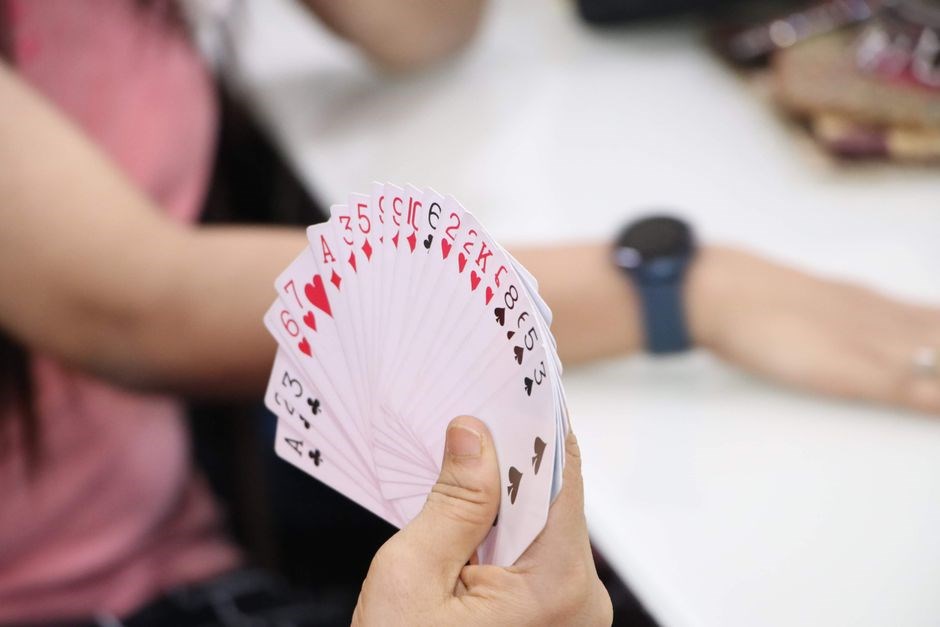
Use a 108‑card deck (two 52‑card decks plus four jokers)․ Shuffle thoroughly, then deal each player an 11‑card hand and an 11‑card foot face‑down․ The dealer starts the discard pile with the top stock card․ Players draw from the stock or discard each turn, aiming to meld first․ Enjoy
Deck Composition
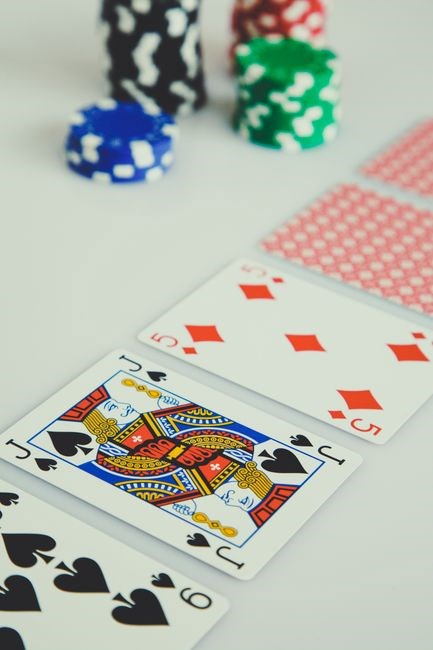
Hand and Foot uses a 108‑card set built from two standard 52‑card decks plus four jokers․ Each deck contains the usual four suits—clubs, diamonds, hearts, and spades—ranked Ace through King․ The combined 104 cards are duplicated, giving two copies of every rank in every suit․ The four jokers serve as wild cards, each capable of representing any rank or suit to complete melds․ The full set is shuffled thoroughly before dealing․ Players may also choose to use a 54‑card deck (one deck plus jokers) for a shorter game, but the classic 108‑card format is the most common․ The deck’s composition allows for a wide variety of meld combinations, including sets of the same rank across suits and runs of consecutive ranks within a single suit․ Because each rank appears twice, players can form larger sets than in single‑deck rummy variants․ The presence of jokers adds flexibility, enabling players to finish melds when natural cards are scarce․ Proper shuffling ensures an even distribution of suits and ranks, which is essential for fair play․ Understanding the deck’s makeup helps players anticipate the likelihood of drawing needed cards and plan their strategies accordingly․ In tournament play, dealers often use a pre‑shuffled, certified deck to maintain consistency across games․ The 108‑card structure also dictates the length of the stockpile and the number of cards each player receives, influencing pacing and the overall duration of a match․ Mastery of the deck’s composition is foundational to mastering Hand and Foot․ Melds timing give an edge nowup․ and play up․
Hand and Foot Distribution
In a standard Hand and Foot game, each player is dealt two separate piles of cards: a hand consists of 13 cards, which are dealt face up and are immediately available for play․ The foot, also 13 cards, is dealt face down and remains hidden until the player has exhausted all cards in their hand․ Once the hand is cleared, the player may turn over the foot and add those cards to their melds, continuing the same melding rules․ The remaining cards form the stockpile, from which players draw during their turns․ The discard pile is also established at the start of the game and is used for discarding and picking up cards․ The distribution of cards is critical; a balanced hand and foot give players more options for creating sets and runs, while a lopsided distribution can force players to rely heavily on wild cards․ Players often shuffle the deck thoroughly before dealing to ensure randomness․ The dealer typically deals the hand first, then the foot, and finally places the remaining cards face down as the stock․ The discard pile is created by turning the top card of the stock face up․ The order of dealing is usually clockwise, starting with the player to the left of the dealer․ Understanding the exact distribution helps players plan their strategies, anticipate opponents’ moves, and manage their resources effectively throughout the game․ Players may also use the discard pile picking up useful cards to complete melds while forcing opponents to discard options․ Observing stock, discard flow reveals hidden patterns that guide play now!!․
Gameplay Mechanics
Players draw one cardturn, then may lay down melds that meet the point requirement After clearing the hand, the foot is turned over and added to melds․ A turn ends by discarding a card; the discard pile can be picked up if it helps a meld․ The game continues until a player runs out․
Melding Requirements
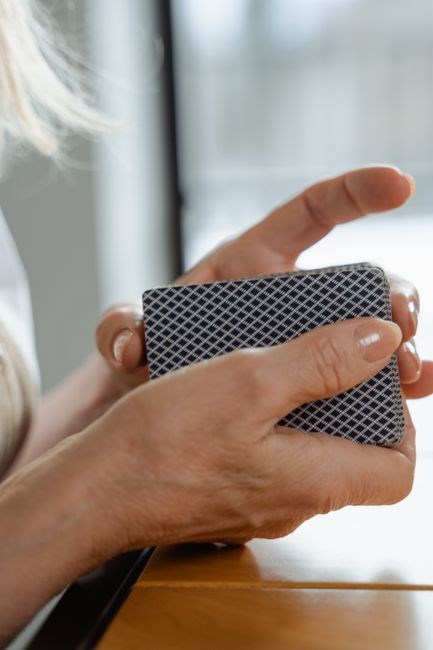
In Hand and Foot, the core of each round is the melding phase․ Before a player can play any card from their hand, they must lay down a minimum amount of points in valid melds․ The standard threshold ranges from 50 to 90 points, depending on house rules or the number of players․ A meld is a set of three or more cards of the same rank or a run of three or more consecutive cards in the same suit․ Jokers and wild cards can substitute for any missing card, but each joker used counts as zero points toward the minimum unless the rule specifies otherwise․ Once the minimum is reached, the player may play any card from their hand, and after the hand is exhausted, the hidden foot may be turned over and added to the melds․ Players may add to existing melds on the table, extending runs or adding to sets, as long as the total point value of the new cards is counted toward the minimum․ The requirement applies to the first meld only; subsequent melds during the same turn do not need to meet the threshold again․ If a player cannot meet the minimum, they must draw until they can, or pass their turn․ The minimum is calculated by summing the face values of all cards in the melds, with face cards counting as 10 points, aces as 1, and jokers as 0 unless specified․ Failure to meet the minimum results in a penalty, usually a score of 25 points added to the player’s total for that round․ These rules ensure that players build substantial combinations before they can freely play, adding strategic depth to the game․ Some variations allow a player to play a single card as a meld if it is a natural card that matches an existing run on the table, but this still counts toward the minimum․ In tournament play, the minimum is often set at 70 points to increase difficulty; Players may also use the discard pile to complete melds, but only if the card drawn from the discard is part of a new meld that meets the minimum․ The melding requirement is a critical strategic element; players often hold high‑value cards until they can form a large run or set, maximizing their point contribution․ Timing is key: revealing the foot too early can expose valuable cards to opponents, while delaying it can allow a player to build a stronger final meld․ Mastery of melding requirements is essential for success in Hand and Foot․ Players often debate whether to hold onto high‑value cards or to play them early․ Some prefer to keep a balanced hand to avoid being forced to discard valuable cards․ Others aim to create a large run that can be played in a single turn, maximizing the point benefit․ The decision often hinges on the current state of the discard pile and the opponent’s actions․ Mastering these subtle choices can turn a good game into a winning one․ Finally, remember that the melding requirement is not just a numeric hurdle; it shapes the entire strategy of Hand and Foot․ By carefully planning which cards to meld and when to turn over the foot, players can control the flow of the game, deny opponents opportunities, and secure victory․ Practice, observation, and adaptation are key to mastering this essential rule․
Drawing and Discarding Rules
Each turn begins with a draw․ A player may take the top card from the stock pile or the top card from the discard pile․ If the discard is chosen, the card must be immediately played or added to a meld before the player may draw from the stock․ After all legal plays are made, the player must discard one card to the discard pile․ A discard is prohibited if it would complete a meld for an opponent; the card must be held until the next turn․ Players may not discard a card that is part of a meld they have already laid down․ The discard pile is visible to all, and the top card may be used by any player on their next draw, provided it is legal․ When a player’s hand is empty, they turn over their foot and continue drawing and discarding as normal․ If the stock runs out, the discard pile is reshuffled to form a new stock, leaving the top discard card untouched․ Players may not draw from the discard pile after the stock has been exhausted unless the top card is a joker or a wild card that can be used immediately․ The draw phase is mandatory; a player may not skip drawing․ If a player cannot play any card after drawing, they must discard a card that is not part of a meld․ The discard rule ensures that the game progresses and that players cannot hold onto high‑value cards indefinitely․ The combination of drawing from two sources and the restriction on discarding creates a dynamic balance between risk and reward, encouraging players to anticipate opponents’ needs and to time their discards strategically․ Mastery of these rules is essential for competitive play․ Players should also watch the discard pile for high‑value cards that could be used to complete their own melds or to block opponents․ A common tactic is to discard a low‑value card that is unlikely to be useful, thereby forcing opponents to draw from the stock and potentially waste a turn․ Additionally, if a player draws a joker, they may immediately use it to replace any missing card in a meld, but the joker itself must be counted as zero points toward the minimum unless the rule states otherwise․ Finally, the rule that the top discard card cannot be drawn after the stock is exhausted ensures that the game does not stall and that all players have an equal chance to recover from a bad hand․ In tournament settings, the discard rule is strictly enforced: a player who illegally discards a card that completes an opponent’s meld is penalized with a score penalty of 25 points․ This penalty encourages careful observation of the discard pile and strategic timing of discards․ Some house rules allow a player to discard a card that would complete an opponent’s meld if they can immediately play that card in a meld on the same turn; however, this is rarely permitted in formal play․ Understanding these nuances is vital for mastering Hand and Foot․ Remember, the goal is to finish your hand and foot while minimizing the points left in your hand․ Players may also choose to draw from the discard pile if it contains a card that can immediately be melded, saving a turn and reducing the number of cards left in hand․ If a player cannot play any card after drawing, they must discard a card that is not part of a meld, which can be a strategic decision to protect high‑value cards․ Finally, the discard rule is enforced by the dealer, who may penalize any illegal discard with a score penalty․ Players should always keep a low‑value card in reserve for the final meld!!!!!!
Scoring and Winning
Points are tallied by adding card values: face cards 10, aces 15, others face value․ Melds subtract from hand total․ The first player to reach 500 points wins․ If a player goes out, opponents add remaining hand values to their score․ Scoring also includes bonus points for melds and penalties for cards extra․

Point Calculation
In Hand and Foot, each card carries a specific value that contributes to a player’s score․ Face cards (King, Queen, Jack) are worth 10 points, while numbered cards are worth their face value, and Aces count as 15 points․ When a player forms a meld, the total value of the cards in that meld is added to the player’s cumulative score․ The objective is to reach a predetermined target, typically 500 points, before opponents․ To calculate the score at the end of a round, players sum the values of all cards in their melds and subtract the value of any remaining cards in their hand and foot, which are considered deadwood․ The deadwood penalty is added to the opponent’s score․ If a player goes out, all deadwood in opponents’ hands is added to the opponent’s score, and the round ends immediately․ Additionally, bonus points may be awarded for special melds such as a “Big Rummy” (a meld of 11 or more cards) or a “Little Rummy” (a meld of 7 or more cards)․ These bonuses can vary by house rules but often range from 50 to 100 points․ Players must also keep track of the “cut” card, which can be used to complete a meld or to discard․ The cut card’s value is added to the player’s score if it is used to finish a meld․ If the cut card is discarded, it is added to the opponent’s score as deadwood․ Accurate point calculation requires careful attention to each card’s value and the timing of melds, as the difference between winning and losing can hinge on a single card’s worth․ Players should review the scoring sheet before each round to ensure that all points are tallied correctly and that any house‑specific bonuses are applied consistently․ This meticulous approach to point calculation helps maintain fairness and keeps the game fast engaging for all participants․
Winning Conditions
In Hand and Foot, a player wins a round by meeting one of several conditions that end the play early․ The most common winning condition is “going out,” which occurs when a player has played every card from both the hand and the foot into valid melds․ To go out, a player must first have a minimum meld score, usually between 50 and 90 points, before they can discard the last card․ Once the hand is cleared, the foot may be turned over and used to finish the melds; the final card played must be a legal meld card, not a discard․ If a player goes out, the round ends immediately, and all remaining cards in opponents’ hands and feet become deadwood, adding to their scores․
Knocking is a strategic option that allows a player to end the round before all cards are played․ A player may knock when their deadwood total is below a preset threshold, usually 10 points․ To knock, the player must announce the knock, reveal both the hand and the foot, and then play any remaining cards into melds if possible․ Opponents must then discard any cards that cannot be melded․ After the final play, scores are calculated; the player with the lowest deadwood wins the round․ If another player’s deadwood is lower, the opponent beats the knock and takes the win․
Some house rules also allow a “big rummy” win, where a player completes a meld of 11 or more cards in a single turn, instantly ending the round and awarding a bonus․ A “little rummy” (7+ cards) may similarly end the game if the target score is reached, giving a significant point boost!!!!!!!!!

Advanced Tips
Use a “deadwood” calculator to track points, prioritize meldsrapidly, and keep a “discard list” of low‑value cards․ Observe opponents’ discards to anticipate runs․ When the foot is revealed, form new melds and avoid wasting draws․ Practice timing your knock to catch opponents off‑guard․
Strategy Considerations
In Hand and Foot is a rummy‑style game where each player receives a hand and a hidden foot․ Players must first meld a minimum of 50‑90 points before playing any cards․ Once the hand is cleared, the foot may be turned over and used to continue building melds․ The goal is to run out, using the foot to build melds․
Keep a mental count of high‑value cards in play; this knowledge helps you decide when to hold or release a critical card․ Remember that patience and observation are as valuable as card combinations; and a well‑timed discard can force opponents into melds, while a high‑point meld can swing the game in your favor․
Finally, practice efficient card rotation—drawing from the deck rather than the discard when you need a specific card can preserve the discard for future use․ Mastering these nuances turns a good player into a formidable contender․
Common Pitfalls
Players often fall into several recurring mistakes that can cost them the game․ The first is ignoring the minimum meld requirement; rushing to play cards without meeting the 50‑90 point threshold leaves a player vulnerable to opponent discards․ A second error is revealing the foot too early; turning the foot before the hand is exhausted forces the player to play a full hand of cards, which can be a strategic disadvantage․ A third mistake is overlooking the value of the discard pile; discarding high‑point cards that an opponent could use for a winning meld is a costly blunder․ A fourth error is failing to track the number of cards left in the deck; drawing too many cards can give opponents a chance to finish․ A fifth mistake is neglecting to keep a balanced hand—mixing runs and sets—reduces flexibility․ Finally, over‑reliance on a single strategy, such as always building runs, can make a player predictable and easier to counter․ Avoiding these pitfalls requires careful planning, observation, and adaptability․ Players also often misjudge the value of low‑point cards; discarding a 2 or 3 early can leave them with a high‑point hand at the end, forcing a costly penalty․ This oversight leads to a late‑game penalty!!!․