APC Back-UPS Pro 1000: Comprehensive User Manual Plan
This manual details the APC Back-UPS Pro 1000, covering setup, software (PowerChute), battery management, and troubleshooting.
It also includes specifications, safety precautions, and warranty details, referencing models from 280 to 1400 VA.

PDF versions and online resources are available, alongside information on AVR, surge protection, and communication ports.
Welcome to the world of reliable power protection with the APC Back-UPS Pro 1000! This Uninterruptible Power Supply (UPS) is engineered to provide consistent and safe power to your critical equipment during power outages, surges, and voltage fluctuations. Designed for home and small office environments, the Back-UPS Pro 1000 offers a robust solution for safeguarding computers, networking devices, and other sensitive electronics.
This UPS falls within the Off-line class, boasting a power range of 280 to 1400 VA. It’s more than just a battery backup; it’s a complete power protection system. The Back-UPS Pro 1000 features Automatic Voltage Regulation (AVR), which stabilizes voltage without using battery power, extending battery life.
Key features include an intuitive LCD display for easy monitoring of UPS status and parameters. Furthermore, compatibility with PowerChute Personal Edition software allows for automated shutdown procedures, protecting your data and hardware. This manual will guide you through every aspect of the Back-UPS Pro 1000, from initial setup to advanced configuration and maintenance.
Unboxing and Initial Setup
Carefully unpack your APC Back-UPS Pro 1000 and verify that all components are present. The package should include the UPS unit itself, a power cord, documentation (including this manual), and potentially software installation media or instructions for downloading PowerChute Personal Edition. Inspect the unit for any visible damage incurred during shipping. If damage is present, contact your retailer immediately.
Initial setup is straightforward: Place the UPS in a well-ventilated area, avoiding direct sunlight and excessive moisture. Connect the power cord to the UPS and then to a grounded wall outlet. Do not connect any equipment to the UPS at this stage. Allow the battery to charge fully – this typically takes 8-16 hours. The LCD display will indicate the charging status.
Once charged, you can connect your critical devices to the battery backup outlets. It’s recommended to prioritize essential equipment like computers and network devices. Refer to the rear panel connections section for detailed outlet information. Avoid overloading the UPS – ensure the total power draw of connected devices does not exceed the UPS’s capacity.
Understanding the Front Panel Indicators
The APC Back-UPS Pro 1000’s front panel features several indicators providing crucial information about the UPS’s status. The Power On/Off button and associated LED confirm the unit is active. Battery Status LEDs display the charge level – green indicates fully charged, amber signifies charging or low battery, and red signals a critical low battery condition requiring immediate attention.
Load Capacity LEDs indicate whether the connected load is within the UPS’s capacity. An overload condition will trigger an alarm and potentially shut down the UPS to protect itself. Alarm indicators signal various issues, including battery failure, overload, or UPS malfunction. The LCD display (present in the Pro models) offers more detailed information, including voltage, load percentage, and runtime estimates.
Refer to the LCD Display Information section for a comprehensive explanation of the display’s features. Understanding these indicators allows for proactive monitoring and timely intervention, ensuring uninterrupted power to your critical equipment.
LCD Display Information and Navigation
The APC Back-UPS Pro 1000’s LCD panel provides a detailed overview of the UPS’s operational status. Key information displayed includes input voltage, output voltage, battery charge percentage, and estimated runtime remaining on battery power. The display also shows load capacity as a percentage, alerting users to potential overload situations.
Navigation is typically achieved through a series of button presses, allowing users to cycle through different screens displaying various parameters. The display may also indicate event logs, recording recent power events like outages and battery tests. Error messages are clearly presented, aiding in troubleshooting.
Understanding the LCD’s icons and terminology is crucial for effective monitoring. The manual provides a detailed explanation of each display element, ensuring users can quickly assess the UPS’s health and performance. This feature offers a user-friendly interface for managing power protection.
Rear Panel Connections: Detailed Overview
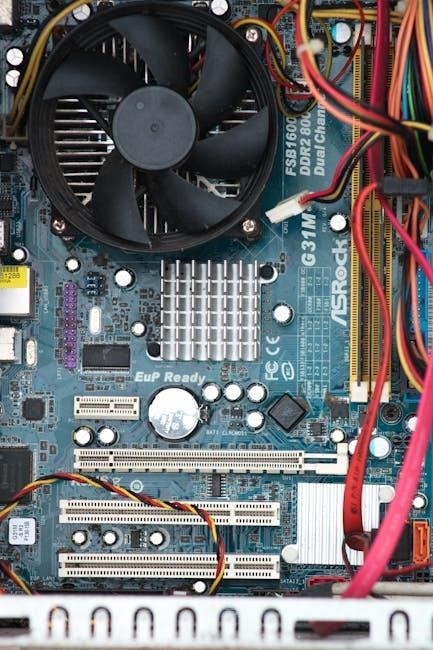
The rear panel of the APC Back-UPS Pro 1000 houses essential connections for power and data communication. Multiple NEMA 5-15R outlets provide surge-protected power for connected devices, with at least some outlets offering battery backup. A robust power inlet accepts the standard power cord, ensuring a secure connection to the mains supply.
Communication ports, including USB and potentially serial ports, enable connection to a computer for monitoring and control via PowerChute software. A grounding terminal is present for safety, and a circuit breaker protects against overloads. Battery connectors are located internally, accessible for maintenance and replacement.
Clear labeling identifies each port, simplifying setup and troubleshooting. The panel’s layout is designed for organized cable management, preventing accidental disconnections. Understanding these connections is vital for optimal UPS functionality and device protection.
Connecting Batteries
Connecting the batteries to the APC Back-UPS Pro 1000 is a critical step, requiring careful attention to polarity and secure connections. Always disconnect the UPS from the mains power before accessing the battery compartment. Locate the internal battery connectors, typically clearly labeled for positive (+) and negative (-) terminals.
Ensure correct polarity when attaching the battery cables; reversing the connections can cause severe damage to the UPS. Firmly push the connectors onto the battery terminals, verifying a secure fit. Replace the battery compartment cover and secure it properly.

Only use APC-approved replacement batteries to maintain performance and warranty validity. Improper battery connection or using incompatible batteries can void the warranty and pose a safety risk. After connecting the batteries, reconnect the UPS to the mains power and verify proper operation.
Software Installation: PowerChute Personal Edition
PowerChute Personal Edition software enhances your APC Back-UPS Pro 1000’s capabilities, providing advanced power management features. Download the latest version from the APC website, ensuring compatibility with your operating system. Run the installer and follow the on-screen prompts, accepting the license agreement.
During installation, the software may prompt you to connect the UPS via USB. This allows PowerChute to detect and communicate with your UPS unit. Complete the registration process, providing necessary information to activate the software.
The software offers features like automated shutdown during extended power outages, customizable notifications, and energy usage monitoring. Some models, like those with a SMART board, may have access to PowerChute Pro Plus via COM port. Verify successful installation by checking the software’s status and UPS connection.
Configuring PowerChute Software Settings

Access the PowerChute settings through the software’s main interface. Begin by configuring the notification settings, specifying how you’ll receive alerts regarding power events – email, pop-up, or sound. Customize the low battery threshold to initiate shutdown at a desired battery level.
Adjust the transfer sensitivity settings to control how quickly the UPS switches to battery power during voltage fluctuations. Configure the scheduled shutdown settings to automatically save work and shut down your computer at a specific time or after a defined period of power outage.
Explore the energy usage monitoring features to track power consumption and estimate battery runtime. Review the UPS status regularly to ensure proper operation and address any reported issues. Save your configuration after making changes to ensure they are applied.
Scheduled Shutdown Configuration
PowerChute’s scheduled shutdown feature allows for automated system shutdown during extended power outages, protecting data and preventing hardware damage. Access the scheduling settings within the PowerChute software interface. Define a specific shutdown time or set a delay after power failure before initiating shutdown.
Configure the software to save open files and close applications before shutting down. Customize the shutdown sequence to ensure a clean and orderly system closure. Test the scheduled shutdown functionality to verify its proper operation and adjust settings as needed.
Consider the battery runtime when setting the shutdown delay; allow sufficient time for a complete shutdown process. Regularly review and update the scheduled shutdown settings to reflect any changes in your system configuration or power requirements. Enable the feature to ensure automatic protection during outages.
Testing the UPS Functionality
Regularly testing your APC Back-UPS Pro 1000 is crucial to ensure it functions correctly during a power outage. Initiate a self-test through the PowerChute software to verify battery health and UPS operation. Simulate a power outage by disconnecting the UPS from the wall outlet while your critical equipment is connected.
Observe the UPS’s response – it should seamlessly switch to battery power, maintaining power to connected devices. Monitor the LCD display for battery runtime estimates and load levels. Verify that connected equipment continues to operate without interruption during the simulated outage.
Document the test results, including runtime and any observed issues. Repeat the test periodically, especially after significant changes to your system or environment. Address any failures or anomalies promptly to maintain reliable power protection. Ensure the UPS is properly grounded for optimal performance;
Battery Management and Replacement
Proper battery maintenance is vital for the longevity and reliability of your APC Back-UPS Pro 1000. Avoid exposing the UPS to extreme temperatures, as this degrades battery performance. Regularly check the battery’s charge level through the LCD display or PowerChute software. Ensure adequate ventilation around the UPS to prevent overheating.
Batteries have a limited lifespan, typically 3-5 years, depending on usage and environmental conditions. Replace the battery when the UPS indicates low battery capacity or fails a self-test. Use only APC-approved replacement batteries to ensure compatibility and safety. Follow the manufacturer’s instructions carefully during battery replacement.
Dispose of old batteries responsibly according to local regulations. Recycle batteries whenever possible to minimize environmental impact. Consider a battery replacement service if you are uncomfortable performing the replacement yourself.
Troubleshooting Common Issues
If the UPS fails to power on, check the power cord connection and ensure the wall outlet is functioning. Verify the battery is properly connected and charged. If the UPS beeps continuously, it may indicate a low battery, overload, or internal fault – consult the LCD display for specific error codes.
For communication issues with PowerChute, confirm the USB or serial connection is secure and the software is correctly installed. If the UPS doesn’t switch to battery power during an outage, check the load level and ensure it’s within the UPS’s capacity. Overload conditions can be resolved by disconnecting non-essential devices.
If you encounter unexpected shutdowns, review the scheduled shutdown settings in PowerChute. For any unresolved issues, consult the APC support website or contact their technical support team for assistance. Refer to online forums for potential solutions from other users.
Understanding Automatic Voltage Regulation (AVR)
Automatic Voltage Regulation (AVR) is a crucial feature of the APC Back-UPS Pro 1000, designed to protect connected equipment from voltage fluctuations without relying on the battery. AVR actively corrects minor overvoltages and undervoltages, ensuring a stable power supply. This extends battery life by reducing unnecessary battery usage.
The AVR functionality operates within a specified voltage range, typically correcting voltages that fall outside of this range. When the input voltage deviates, AVR boosts or bucks the voltage to maintain a consistent output. This prevents damage to sensitive electronics caused by unstable power.
AVR is particularly beneficial in areas with frequent voltage sags or surges. It provides a first line of defense against power disturbances, offering a more reliable power supply than a standard surge protector. The Back-UPS Pro’s AVR technology contributes to the longevity and performance of your valuable equipment.
Surge Protection Capabilities
The APC Back-UPS Pro 1000 provides robust surge protection, safeguarding connected devices from damaging voltage spikes and surges. This protection is a fundamental aspect of the UPS’s functionality, working in conjunction with Automatic Voltage Regulation (AVR) to deliver comprehensive power protection.
Surge protection works by diverting excess voltage away from connected equipment, preventing it from reaching sensitive components. The Back-UPS Pro utilizes various surge protection technologies, including metal oxide varistors (MOVs), to absorb and dissipate surge energy. This effectively clamps the voltage to a safe level.
The UPS offers protection for data lines, such as Ethernet and telephone lines, in addition to power lines. This holistic approach ensures that all potential entry points for surges are protected. Regular testing and maintenance are recommended to ensure continued surge protection effectiveness, contributing to the overall reliability of your electronic devices.

Communication Ports: USB and Serial
The APC Back-UPS Pro 1000 features both USB and serial communication ports, enabling connectivity with computers and networks for enhanced monitoring and control. The USB port is primarily used for communication with PowerChute Personal Edition software, allowing for automated shutdown during extended power outages and detailed UPS status monitoring.
The serial port offers an alternative communication method, particularly useful for older systems or specific network configurations. Through these ports, the UPS can transmit critical information such as battery status, load level, and input voltage to connected devices. This data allows for proactive management and timely intervention in case of power events.
Configuration of these ports is typically done through the PowerChute software, enabling users to customize communication settings and alerts. Proper connection and configuration are essential for ensuring reliable data transfer and maximizing the benefits of the UPS’s communication capabilities.
Technical Specifications: Power Capacity and Output
The APC Back-UPS Pro 1000 boasts a capacity of 1000VA / 600 Watts, providing sufficient power for critical equipment during outages. It features an output voltage of 230V, suitable for most European and Asian power grids. The unit delivers a sine wave output, ensuring compatibility with sensitive electronic devices.
The Back-UPS Pro 1000 includes multiple outlets, typically offering a combination of battery backup and surge-protected outlets. These outlets accommodate various plug types, enhancing versatility. The UPS’s runtime varies depending on the connected load, with higher loads resulting in shorter runtimes.
The input voltage range is 230V, and the unit operates at a frequency of 50/60Hz. It’s designed for offline operation, providing basic power protection and voltage regulation. Models within the Back-UPS Pro range generally span 280 to 1400 VA, offering scalability for different power needs.
Safety Precautions and Warnings
Always adhere to safety guidelines when installing and operating the APC Back-UPS Pro 1000. Avoid exposing the unit to excessive moisture or extreme temperatures, as this can cause damage or malfunction. Do not open or modify the UPS casing, as it contains hazardous voltages. Ensure proper ventilation around the unit to prevent overheating.
Disconnect the UPS from the mains power before performing any maintenance or battery replacement. Batteries can pose a risk of electric shock or chemical burns; handle them with care. Do not dispose of batteries in general waste; follow local regulations for proper battery recycling.
The UPS is intended for indoor use only. Avoid connecting overloaded circuits, as this can damage the UPS and connected equipment. Regularly inspect the power cord for damage and replace it if necessary. Keep the unit away from flammable materials and ensure it’s placed on a stable surface.
Environmental Considerations and Recycling
APC is committed to minimizing the environmental impact of its products, including the Back-UPS Pro 1000. Responsible disposal and recycling are crucial for preserving resources and reducing pollution. Do not dispose of the UPS or its batteries in general waste. Batteries contain hazardous materials and require specialized recycling processes.
Consult local regulations for proper battery disposal and recycling options. Many communities offer battery recycling programs or collection events. The UPS itself contains recyclable materials, such as plastics and metals. Contact your local recycling center to determine if they accept electronic waste.
Consider the energy efficiency of your connected equipment to reduce overall power consumption. Properly maintaining the UPS, including regular battery checks, can extend its lifespan and reduce the need for replacement. APC designs products with consideration for material selection and manufacturing processes to minimize environmental impact.
Warranty Information and Support
APC by Schneider Electric offers a standard warranty on the Back-UPS Pro 1000, protecting against defects in materials and workmanship. The warranty period varies by region and specific model; please refer to the documentation included with your product or visit the APC website for details. The warranty typically covers repair or replacement of the unit, at APC’s discretion.

To initiate a warranty claim, you will need proof of purchase, including the date and location of the original transaction. APC provides comprehensive support resources, including online knowledge bases, FAQs, and downloadable documentation. You can access these resources through the APC website.
Technical support is also available via phone or email, with contact information provided on the APC website. Extended warranties and service contracts may be available for purchase, offering additional protection and support beyond the standard warranty period. Registering your product online ensures you receive important updates and notifications.
Frequently Asked Questions (FAQ)
Q: What does the LCD display show? A: The LCD provides real-time status of the UPS, including load level, battery charge, voltage, and estimated runtime. Q: Can I use PowerChute Personal Edition on multiple computers? A: No, each computer requires its own installation of the software.

Q: How often should I test the UPS? A: It’s recommended to perform a self-test monthly to ensure proper functionality. Q: What if the UPS beeps continuously? A: Continuous beeping indicates a critical error; consult the troubleshooting section of this manual.
Q: How long will the battery last? A: Runtime depends on the connected load; refer to the runtime charts in the specifications section. Q: Is the Back-UPS Pro 1000 compatible with generators? A: Yes, but proper synchronization is crucial; consult a qualified electrician. Q: Where can I find replacement batteries? A: Replacement batteries are available through APC’s website or authorized resellers.